

Classic casino blackjack
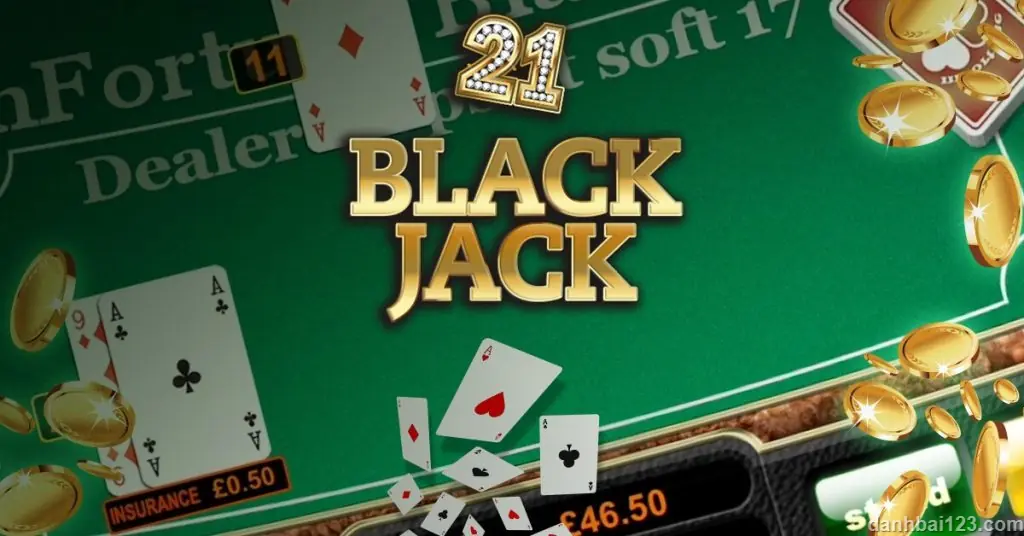
I approached the Classic casino Blackjack section as a player would: not by asking whether blackjack exists on the site, but whether the section is actually worth using on a regular basis. That distinction matters. Many platforms list blackjack on the lobby, yet the real experience turns out to be narrow, slow to navigate, or built around a small number of tables with awkward limits. In the case of Classic casino, the practical value of blackjack depends less on the label itself and more on how the Classic Casino games guide for real money casino players are presented, which variants are available, and whether the table conditions make sense for different bankrolls.
In Canada, blackjack regularly ranks among the first categories players open after slots, and the reason is straightforward: the rules are visible, every hand involves a decision, and the pace stays within the player's control. The Classic casino blackjack section typically offers several table variants, with the most common distinction being the number of decks in play — six-deck shoes are the industry standard, though single-deck and double-deck tables appear often enough to matter. Finding a suitable stake level is usually quick, since most operators group tables by minimum bet, and the weak points tend to surface in the fine print: payout ratios for a natural blackjack (3:2 is the traditional figure, though some tables pay 6:5, which materially worsens the house edge), whether the dealer stands on soft 17, and whether doubling down is allowed after splitting. Checking those three conditions before committing to a table is the difference between a fair game and one quietly stacked against the player, and Canadian users should also confirm that the site's responsible-gambling tools, such as deposit limits and self-exclusion, apply to this section as readily as they do to slots.
Does Classic casino have blackjack and how is the category usually presented?
Yes, Classic casino blackjack is typically available as a dedicated part of the game library rather than as a hidden subcategory buried among generic table titles. That sounds basic, but it already tells me something useful: the brand usually treats blackjack as a recognizable vertical with enough player demand to justify its own filter, search path, or grouped listing.
In practice, the section is commonly split into two broad directions. The first is RNG blackjack, where the game runs instantly through software and decisions are processed without a Classic Casino live casino games and casino rules. The second is live blackjack, where real tables are streamed from studio environments and the pace depends on dealer rotation, table occupancy, and betting windows. For the user, this split is more important than the mere presence of blackjack on the homepage. A site can “have blackjack” and still fail to serve both types of players well if one of those formats is shallow or poorly organized.
What I usually look for first is whether Classic casino separates these formats clearly. If the lobby mixes digital blackjack, live tables, and unrelated card games in one long feed, the section loses practical value fast. A clean structure matters because blackjack players often know what they want before they click: fast solo rounds, low-stake live tables, VIP program page for active Classic Casino players limits, or a specific provider version with familiar rules.
One useful observation here: a blackjack section becomes genuinely usable not when it has the highest number of titles, but when it lets me identify the right table in under a minute. That is a more honest test than game count alone. To understand the wagering rules behind each offer, open withdrawal limits review next.
Which blackjack formats may be available and what changes in real play?
At Classic casino, the blackjack lineup can usually include several formats that look similar at first glance but feel quite different once you sit down. The main divide is between standard single-seat software blackjack and live-streamed tables, yet even inside those groups the experience varies a lot.
- Classic RNG blackjack — the fastest format, usually best for players who want immediate rounds, no waiting for other participants, and a clean strategy-based session.
- Live dealer blackjack — closer to a land-based table, with real cards or shoes, visible dealing, and timed betting windows. Better for players who value table atmosphere and transparency.
- Infinite blackjack — a live format where many users can join the same round without competing for seats. Useful when standard tables are full.
- Speed blackjack — built for shorter downtime between rounds. Good for players who find traditional live pacing too slow.
- Variant-led versions — titles such as Perfect Pairs, 21+3, or games with changed side rules, where the base structure remains blackjack but volatility and decision pressure shift.
The practical difference is not cosmetic. RNG blackjack gives more control over tempo and usually suits players who follow basic strategy closely. Live tables, by contrast, introduce social rhythm, fixed betting windows, and visual trust. If I want to test decisions quickly or stay disciplined with session length, software versions are often more efficient. If I care about seeing the cards dealt in real time, live tables make more sense.
Another point many players miss: side-bet-heavy blackjack can look more exciting than standard tables, but it often changes the risk profile more than the lobby suggests. A game may still be called blackjack, yet the real cost of play rises if the interface constantly pushes optional wagers. That is something worth checking at Classic casino before settling on a preferred version.
Is classic blackjack, live blackjack, and other popular variants usually available at Classic casino?
In most cases, Classic casino blackjack is not limited to one basic title. Players can usually expect a mix of traditional blackjack software and at least some live dealer presence, especially because blackjack remains one of the core table categories on modern licensed platforms. The more relevant question is how balanced that mix is.
If the section includes only one or two standard software tables and then shifts heavily into branded live products, that may still satisfy casual users but not those who want variety in rule sets. On the other hand, if Classic best bonus offers information for Classic Casino players multiple digital versions but only a thin live selection with crowded tables, the category may feel complete on paper while being less useful in evening hours or on weekends.
What I would specifically check is whether the following are present:
| Format | Why it matters | What to verify |
|---|---|---|
| Standard blackjack | Baseline version for strategy-focused players | Dealer stands or hits on soft 17, double rules, split options |
| Live dealer tables | More realistic table experience | Seat availability, betting window length, table language, stream quality |
| Low-limit tables | Important for casual bankrolls | Minimum bet in CAD equivalent and peak-hour availability |
| High-limit tables | Relevant for experienced or VIP players | Maximum stakes, table count, pace of play |
| Variant tables with side bets | Adds variety but changes risk | Whether side wagers are optional or heavily emphasized |
From a user perspective, the strongest version of the Classic casino blackjack section would be one where classic tables remain easy to find instead of being overshadowed by novelty formats. A healthy blackjack page should not force players to dig through branded variants just to find a familiar table.
How easy is it to open and use the Blackjack area?
Ease of access is one of the most underrated parts of blackjack usability. A section can have strong providers and still feel clumsy if filters are weak, thumbnails are vague, or live and software titles are blended without logic. At Classic casino, the quality of the blackjack experience depends heavily on whether the category is organized around player intent rather than around provider promotion.
Ideally, I want the path to be short: main navigation, blackjack category, then visible sorting by live, software, popularity, or limits. If Classic casino supports internal search well, that helps players who already know the exact title they want. If not, the section needs stronger manual filters.
What makes this especially important in blackjack is that players often compare details before opening a table. They are not browsing casually in the same way many slot users do. They want to know whether surrender is available, whether there is a live dealer, whether the minimum stake is reasonable, and whether the table is full. If those details are hidden until after launch, the category becomes slower to use than it should be.
A small but memorable sign of a well-built blackjack page is whether I can tell the difference between a standard seat-based table and an infinite-seat live game before opening it. When that information is missing, players waste time entering and leaving tables they never intended to use.
Which rules, stake ranges, and gameplay details deserve close attention?
This is where the real quality of Classic casino blackjack is decided. Blackjack is not just one game with one fixed structure. Small rule changes alter expected value, risk, and playing comfort. A user who ignores those details may think two tables are interchangeable when they are not.
The first things I would check are the core table rules:
- whether the dealer stands on soft 17 or hits on soft 17
- whether doubling is allowed on any first two cards or only on totals like 9, 10, or 11
- whether doubling after splitting is permitted
- how many times pairs can be split
- whether surrender is offered
- what the blackjack payout is, especially whether it is 3:2 or a weaker model
For many players, the payout point is the first serious filter. A blackjack table can look attractive in the lobby and still be a poor long-term choice if it pays less favorably on naturals. This is one of the clearest examples of why “available blackjack” and “good blackjack” are not the same thing.
Stake limits matter just as much. Canadian players should not assume every table will display friendly CAD-style ranges even if the platform serves the market well. Some tables may show limits in another base currency or convert them in ways that make low-stake play less comfortable than expected. On live tables, minimums can rise during busy periods, and that changes the practical accessibility of the section.
There is also a rhythm issue that players underestimate. Software blackjack is usually frictionless: click, decide, next hand. Live tables introduce pauses for shuffling, player decisions, chat flow, and seat turnover. That is not a flaw by itself, but it means the “best” version depends on what kind of session you want. Fast bankroll management and slower immersive play are not the same product, even if both sit under the blackjack label. Players who value quick withdrawals will find real timings in real money bonus code.
Are there live dealers, multiple tables, side bets, and extra features?
Live dealer blackjack is often the part of the section that attracts the most attention, and for good reason. It gives players a visible table environment, human dealing, and a stronger sense of fairness through streamed gameplay. If Classic casino includes a solid live blackjack range, that increases the category’s practical appeal immediately.
Still, not all live setups are equally useful. I would pay attention to four things:
- Table count — a handful of live tables may look sufficient until peak traffic arrives and the best limits become crowded.
- Limit spread — a real range should cover entry-level stakes, mid-level comfort play, and higher tables for bigger bankrolls.
- Seat model — standard seat-based tables can fill up, while infinite-seat blackjack removes that problem but changes the atmosphere.
- Side bets — options like Perfect Pairs or 21+3 can add interest, but they should remain optional and clearly separated from the main hand.
Extra features can improve the experience when they are implemented with restraint. Statistics panels, roadmaps of recent outcomes, and clean decision buttons help. Overdesigned interfaces with flashing prompts and repeated side-bet nudges do the opposite. In blackjack, clarity is more valuable than decoration.
One observation I keep returning to: the best live blackjack lobbies do not try to impress me with noise. They make it easy to compare tables quickly. If Classic casino gets that part right, the section feels more mature than one with a larger but messier lineup.
What is the real user experience like when playing blackjack here?
On a practical level, the value of Classic casino blackjack comes down to flow. Can a player move from the lobby to a suitable table without second-guessing every click? Are the controls readable? Is the game stable enough for repeated sessions? Does the site make key information visible before money is committed to a table?
If the answer is mostly yes, the blackjack section becomes genuinely useful rather than nominally complete. In software titles, I expect responsive controls, clear hit/stand/split/double buttons, and no confusion around hand totals. In live formats, I expect stable streaming, visible dealer actions, and enough time to make decisions without feeling rushed by the interface.
Where some platforms lose points is in the transition between browsing and actual play. A game thumbnail may tell me almost nothing, then the table opens and reveals limits, side bets, and rule nuances only after loading. That extra friction matters more in blackjack than in many other categories because table selection is part of the strategy process.
For regular use, consistency matters more than spectacle. A player who returns to blackjack several times a week wants predictable navigation, familiar table logic, and stable conditions. If Classic casino delivers that, the section has real retention value. If not, even a decent catalog starts to feel disposable.
What limitations or weak points can reduce the value of Classic casino Blackjack?
There are several common issues that can make a blackjack section look stronger than it really is, and Classic casino should be judged against them carefully.
- Too few genuinely different tables — several titles may exist, but if they share near-identical rules and limits, variety is thinner than the lobby suggests.
- Weak low-stake coverage — if minimums are too high, the section becomes less useful for cautious or recreational players.
- Overreliance on side-bet variants — this can make the category feel busy while shifting attention away from strong core blackjack.
- Crowded live tables — live dealer availability matters less if players struggle to find open seats at preferred limits.
- Hidden rule details — if payout structure and key table conditions are not visible early, users may choose poorly.
Another possible issue is imbalance between software and live products. Some players need both. They may want quick RNG sessions on weekdays and live tables on weekends. If one side of the category is much stronger than the other, the section serves only part of its audience well.
This is also where expectations should be realistic. A brand can absolutely offer a respectable blackjack page without covering every niche variation. The problem starts when presentation creates the impression of depth that the actual table selection does not support.
Who is Classic casino blackjack best suited for?
From what matters most in a blackjack section, Classic casino is likely to suit players who want a recognizable mix of standard blackjack access and at least some live dealer presence without needing an extreme specialist platform. That includes casual users who want familiar rules, mid-level players who compare limits and features before choosing a table, and live blackjack users who value convenience over chasing obscure variants.
It may be less ideal for players who are highly rule-sensitive and only accept very specific table conditions across a wide range of limits. Those users should inspect each version closely rather than trusting the category name. The same applies to users who want a deep catalog of advanced or rare blackjack formats.
In simple terms, Classic casino blackjack can be a practical fit for players who want dependable access to the category, but the exact value depends on whether the available tables match their bankroll and rule preferences.
Smart checks before choosing a blackjack table at Classic casino
Before committing to regular play, I would recommend a short checklist. It saves time and prevents the most common mistakes.
- Open more than one blackjack title and compare the actual payout and split/double conditions.
- Check whether the live tables you want are available at your usual playing hours, not only when traffic is low.
- Look at the minimum and maximum stakes carefully, especially if currency display is not fully localized.
- Do not assume side-bet variants are interchangeable with standard blackjack; treat them as separate risk profiles.
- Test the table interface on the device you actually use most often, because button layout and readability matter in blackjack more than many players expect.
If I had to give one practical piece of advice above all others, it would be this: choose your blackjack table by rules and usability, not by thumbnail design or provider branding. That single habit improves long-term results and overall comfort more than most players realize.
Final verdict on the Classic casino Blackjack section
Classic casino blackjack is potentially valuable not simply because the category exists, but because blackjack is a section where structure, rules, and usability decide everything. If the brand offers a clear split between software and live options, reasonable limits, visible table conditions, and enough variety to avoid repetition, then the section is more than a checkbox feature. It becomes a practical destination for regular play.
The strongest points are usually the familiarity of the category, the likely presence of both classic and live formats, and the chance to choose between faster solo sessions and more immersive dealer-led tables. The caution points are just as clear: players should verify payout structure, low-stake availability, real table variety, and whether live access remains convenient when traffic rises.
My overall view is measured but positive. Classic casino blackjack is best suited to users who want a dependable, usable blackjack section rather than a niche-only specialist catalog. Its real strength will depend on how well the platform turns visible availability into practical utility. Before using it regularly, I would check the rule details, compare limits across several tables, and make sure the live and standard options both hold up in actual play. If those boxes are ticked, the section deserves attention.
FAQ
What is the main goal in online Blackjack at Classic?
Win by getting a hand value closer to 21 than the dealer without going over. In live dealer blackjack, the dealer follows the house rules automatically.
How do dealer actions work in live Blackjack?
Once the player finishes decisions like Hit or Stand, the dealer plays out the rest of the hand based on the table rules. The dealer’s play is automated in live blackjack, so the same sequence applies to every round at that table.
Where can table limits be seen before starting a real-money Blackjack game?
The game lobby shows the stakes range for the selected table. Checking the minimum and maximum bet before pressing Play helps avoid mismatches with the bankroll.
What login status is required to launch a live Blackjack table?
Account access is required to open real-money blackjack. Logging in with the registered method is typically the next step before the Play button becomes active for real-money tables.